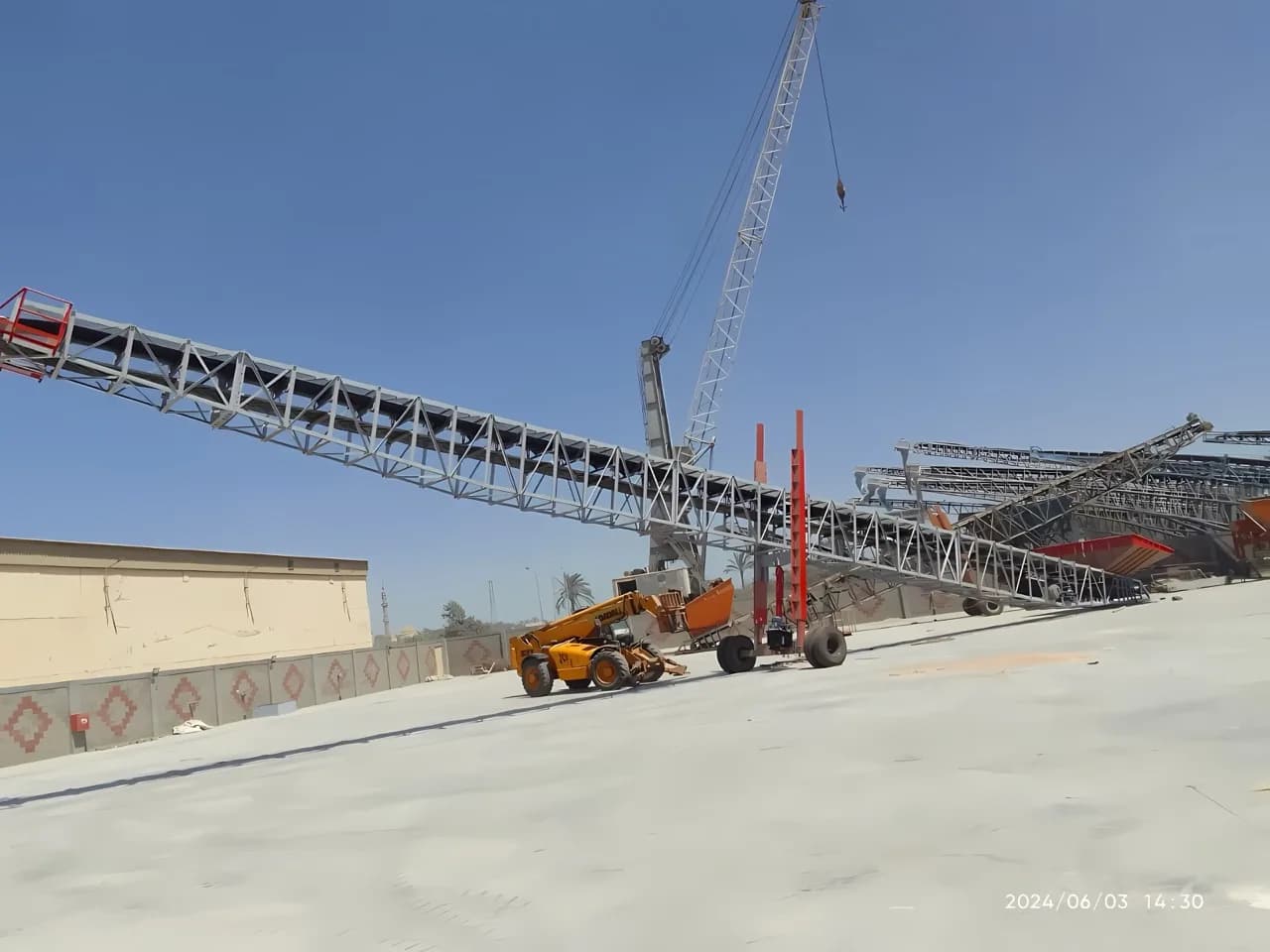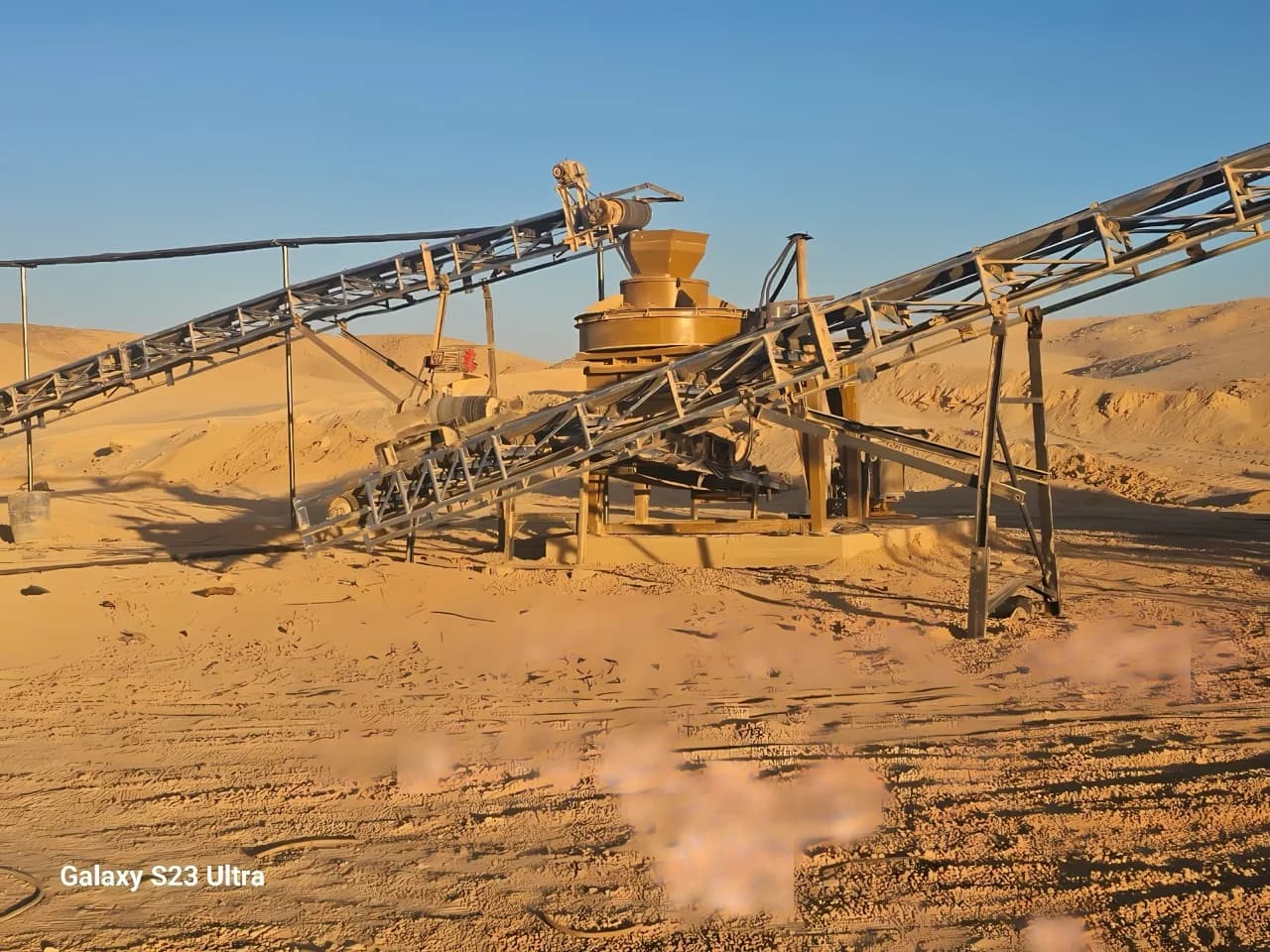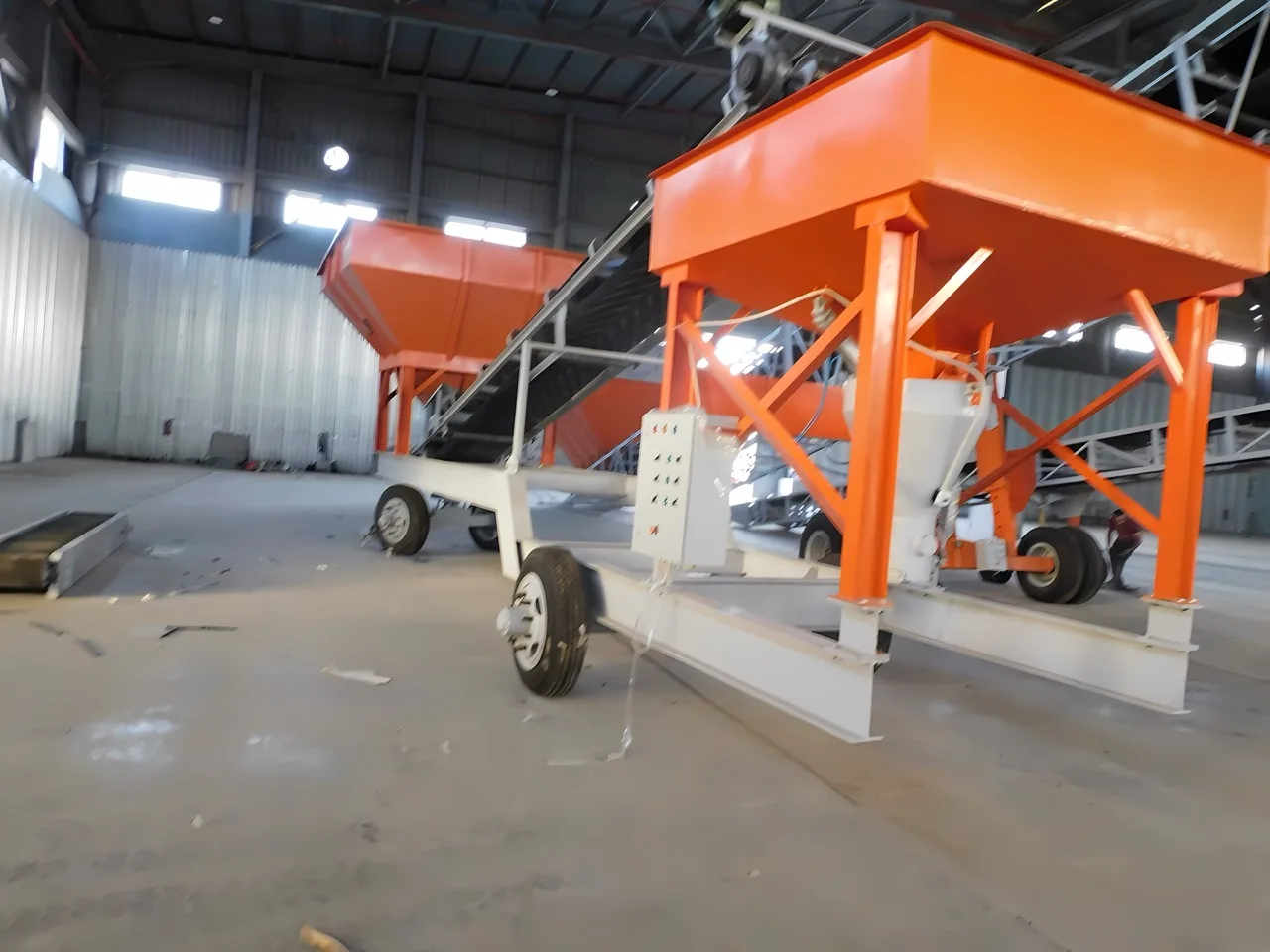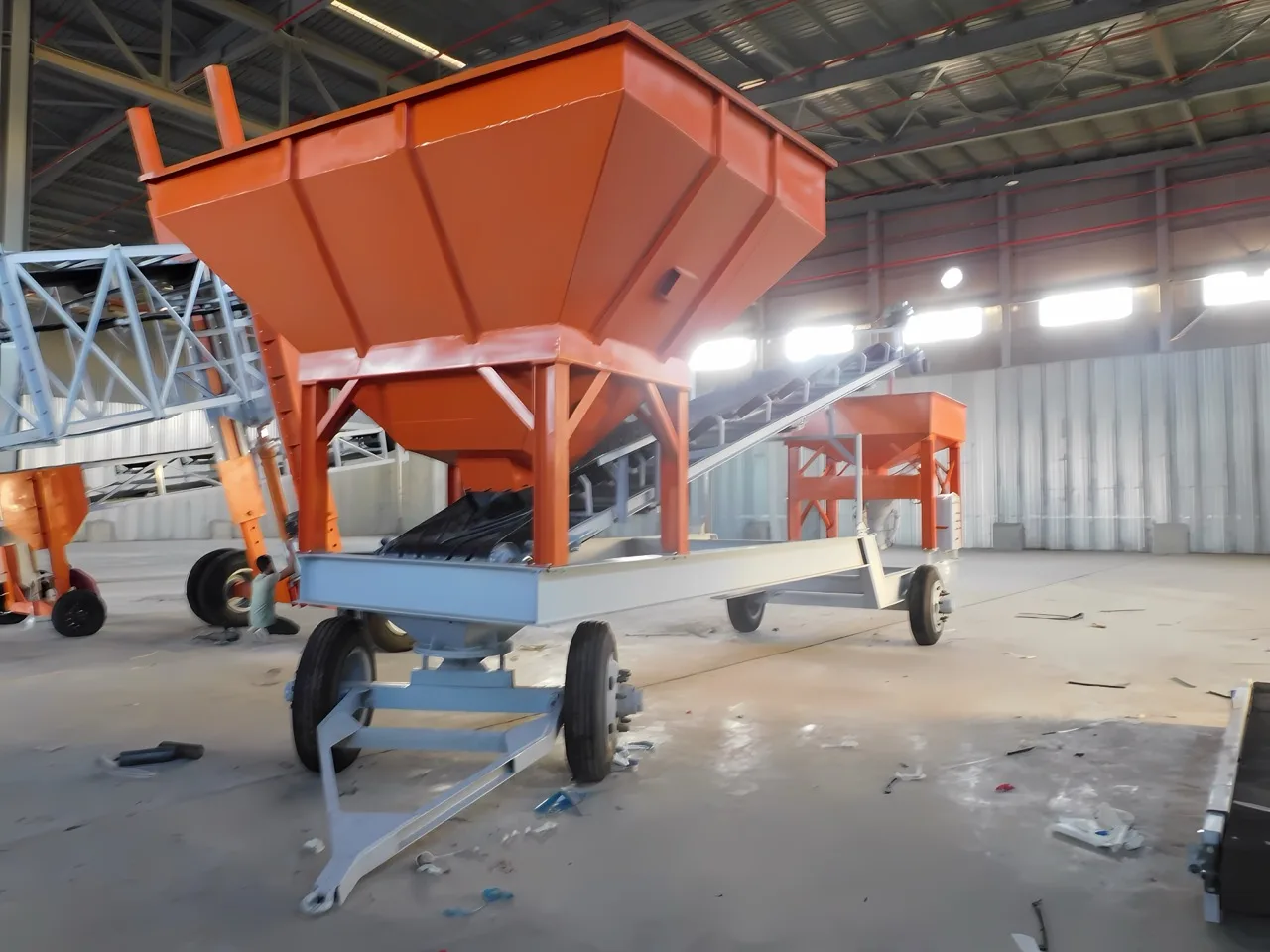
Common Conveyor Belt Failures (and How to Prevent the Top 5)
Conveyor downtime is rarely glamorous — it is the same five failures every time. Here is how to spot each one early, the field fix, and the design change that stops it from coming back.
Five Failures Cause 80% of Conveyor Downtime
Across our service base in Egypt, conveyor downtime is dominated by the same five problems. None of them are mysterious. Each has a clear root cause, a 5-minute field check, and a permanent fix.
1. Belt Mistracking (Belt Drifts to One Side)
Symptom: belt rides off-center, edges grind on the structure, eventually shreds.
Root cause (in order of frequency): off-center loading, asymmetric material build-up on idlers/pulleys, frame misalignment, worn pulley lagging.
Field fix: install training idlers (V-return or flat self-aligning) every 30–50 m. Clean idlers and pulleys daily.
Permanent fix: design loading chute to deliver material centrally, not against a deflector plate; install belt scraper at head pulley to stop carryback.
2. Cover Gouging at Impact Zones
Symptom: deep cuts and craters in carry-side cover at chute drops, rapid wear-through to carcass.
Root cause: drop height too high, no impact bars or cradles, sharp rock falling onto belt.
Field fix: install impact bars or impact idler cradles directly under the loading point. Reduce drop height where possible.
Permanent fix: upgrade cover compound to Type Y or DIN-W in impact zones, install rock box / dead bed in chute so material lands on material instead of belt.
3. Splice Failures
Symptom: belt parts at the splice — vulcanized splice peels, mechanical splice fasteners pull through.
Root cause: bad workmanship at original splicing, undersized fasteners for tension class, or splice failure from cyclic flexing over takeup pulleys.
Field fix: mechanical fastener as emergency repair, then schedule proper hot vulcanization within 30 days.
Permanent fix: hot vulcanized splices for any belt EP-500 and above; mechanical fasteners only for short, low-tension belts. Insist on certified splice technicians.
4. Carryback and Belt Slip on the Drive Pulley
Symptom: belt slips on drive pulley under load, drive motor draws abnormal current, material falls back along return run.
Root cause: insufficient takeup tension, worn ceramic or rubber lagging on drive pulley, contaminated belt-pulley interface.
Field fix: increase takeup tension within design range, scrape and clean drive pulley, reapply pulley lagging.
Permanent fix: diamond-pattern ceramic lagging on drive pulley (3–5× life of plain rubber), automatic gravity takeup system on long belts.
5. Idler Roller Seizure
Symptom: idler stops rotating, flat-spots, friction tears belt cover and can ignite material.
Root cause: bearing failure from seal contamination, thermal stress, or shock load. Always preceded by a noisy bearing days earlier.
Field fix: replace immediately. Check entire idler row.
Permanent fix: upgrade to triple-labyrinth seal idlers in dusty environments (Egyptian quarries are very dusty), monthly thermal imaging walks of long belts.
Pillar's Conveyor Service Program
Customers on our quarterly inspection program get thermal imaging of idlers, profile measurement of pulley lagging, splice strength testing, and a written failure-risk report. Most plants reduce belt-related downtime by 40–60% within the first year.
Ready to Move Forward?
Pillar's engineering team has delivered turnkey crushing, screening, conveyor and asphalt solutions across Egypt — from Upper Egypt cement plants to Sinai phosphate operations. If you're sizing equipment for a new project, evaluating ROI, or upgrading existing capacity, we can help you spec the right system the first time.
Request a Quote → or call +20 107 067 0649.