Building a Phosphate Beneficiation Plant: Equipment Stack & Capex Breakdown
Egypt is one of the world's top phosphate producers. Building a beneficiation plant is a 50–200 million EGP project — and the seven equipment decisions below determine whether you make 26% P2O5 or 32% P2O5. The market does not pay the same for both.
Why Phosphate Beneficiation Is a Capex Decision That Pays Forever
Egypt sits on world-class phosphate reserves in Abu Tartur, Sebaiya, and Sinai. Run-of-mine grade is typically 19–24% P2O5 — too low for direct sale to fertilizer producers, who pay heavily for 28%+ concentrate. The gap between mine-gate and concentrate price is where beneficiation creates value. The plant pays for itself in 18–30 months on most ore bodies.
The Standard Equipment Stack
1. Primary Crushing — Jaw
Run-of-mine ore (up to 800 mm) reduced to 100–150 mm. Tough on jaw plates because phosphate ore often carries silica and chert.
2. Secondary Crushing — Impact
To 25–40 mm. Impact preferred because the friable matrix breaks well; cones over-grind and lose recovery.
3. Pre-Screening (Dry)
A double-X vibrating screen separates the 0–8 mm fraction. This is the first opportunity to reject siliceous oversize.
4. Tertiary Crushing or VSI Liberation
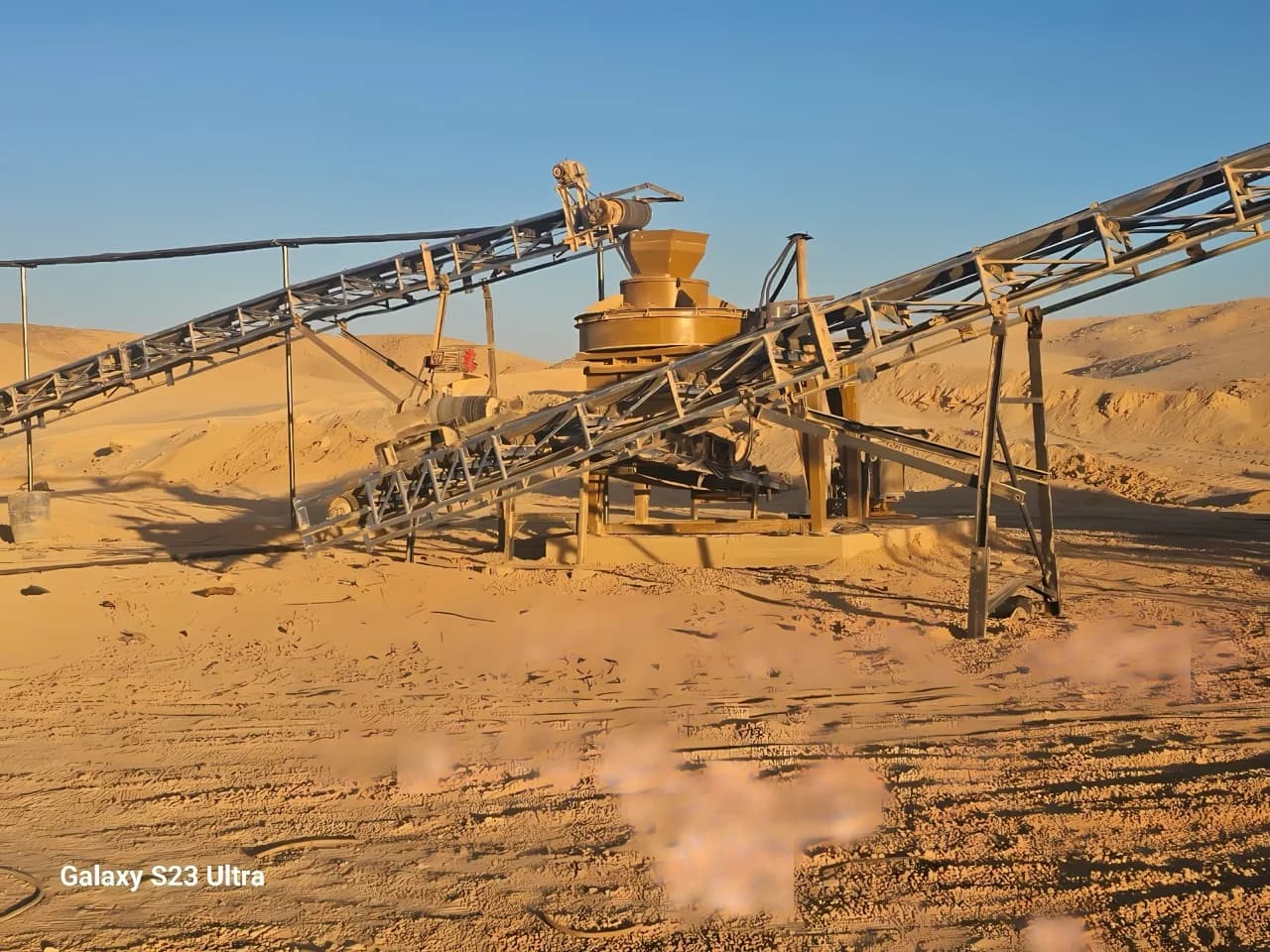
For low-liberation ores, a BARMAC-class VSI liberates phosphate grains from the matrix without over-grinding. This is a recovery-defining step.
5. Wet Screening + Attrition Scrubbing
Removes clay coatings and slimes that mask phosphate grains. Without this, downstream flotation drowns in carbonate float.
6. Hydrocyclone Desliming
Removes the <38 micron slimes fraction that consumes flotation reagents.
7. Flotation (Direct or Reverse)
Direct flotation collects phosphate; reverse flotation rejects carbonate. Choice depends on ore mineralogy. Egyptian Sebaiya ores typically favor reverse flotation.
8. Filtration and Drying
Concentrate filtered to <10% moisture, optionally dried to <3% for export shipping.
Capex by Capacity Tier (Turnkey, EGP)
| Capacity (TPH ROM) | Total Turnkey Capex |
|---|---|
| 50 TPH | 40 – 60 million |
| 120 TPH | 85 – 130 million |
| 250 TPH | 180 – 280 million |
Seven Decisions That Decide Recovery and Margin
- Liberation testing on ore samples — without it, your flotation circuit is a guess.
- Crushing strategy: HSI vs cone vs VSI — wrong choice destroys liberation.
- Wet vs dry pre-screening — clay-bearing ores demand wet from the start.
- Hydrocyclone cut size — too coarse loses recovery, too fine increases reagent cost.
- Flotation residence time and stage count — under-scaled cells drop recovery 5–10%.
- Reagent regime — cheap collectors look attractive until selectivity drops.
- Tailings management — environmental liability you cannot afford to underestimate in modern Egyptian permitting.
Operating Cost Per Ton of Concentrate
For a well-designed Egyptian Sebaiya-type plant producing 28% P2O5 concentrate:
- Power: 35–55 EGP/ton concentrate
- Reagents: 80–140 EGP/ton
- Wear parts: 25–45 EGP/ton
- Labor: 30–50 EGP/ton
- Water + tailings management: 20–35 EGP/ton
Why Pillar Is the Right Partner
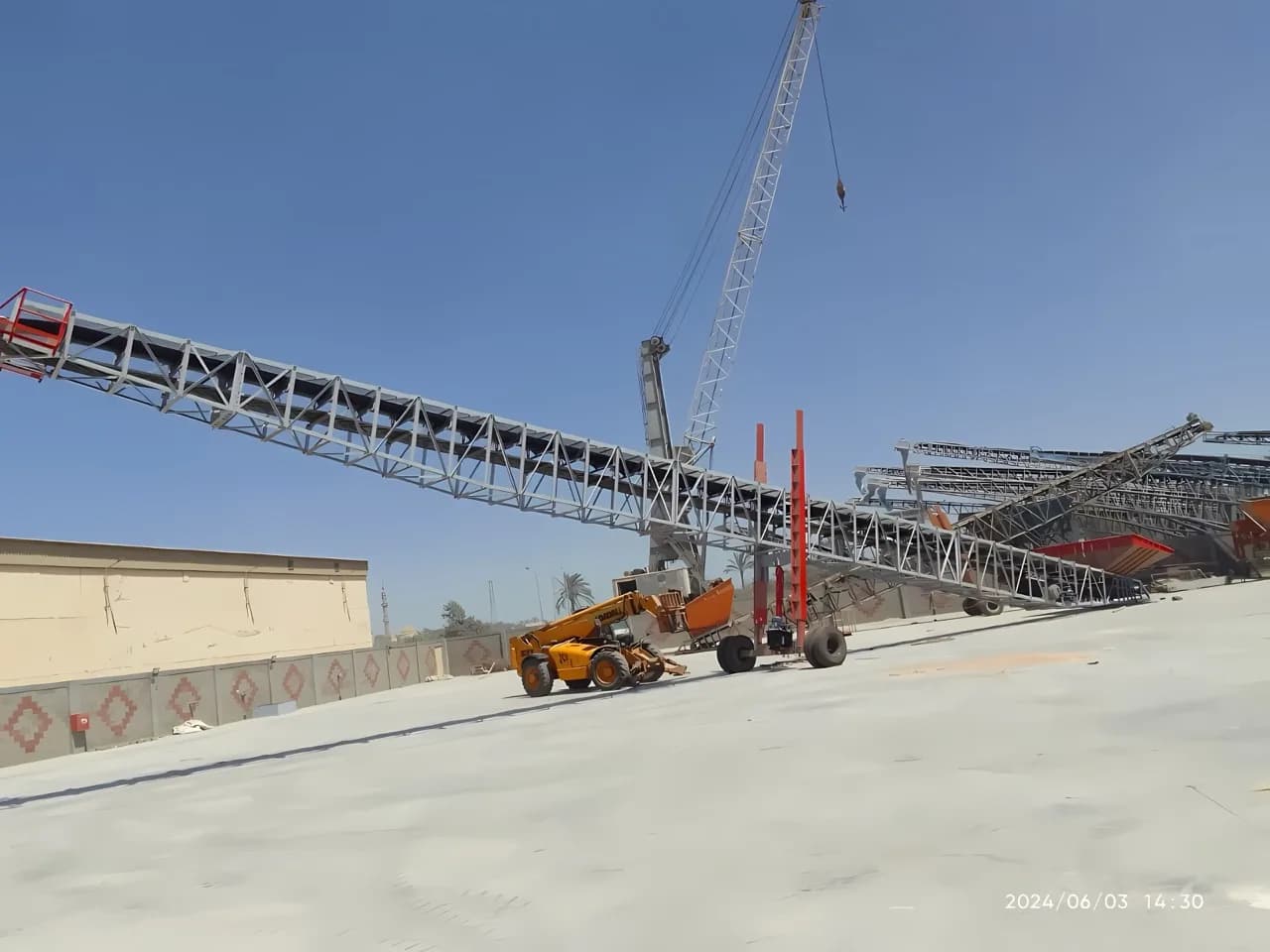
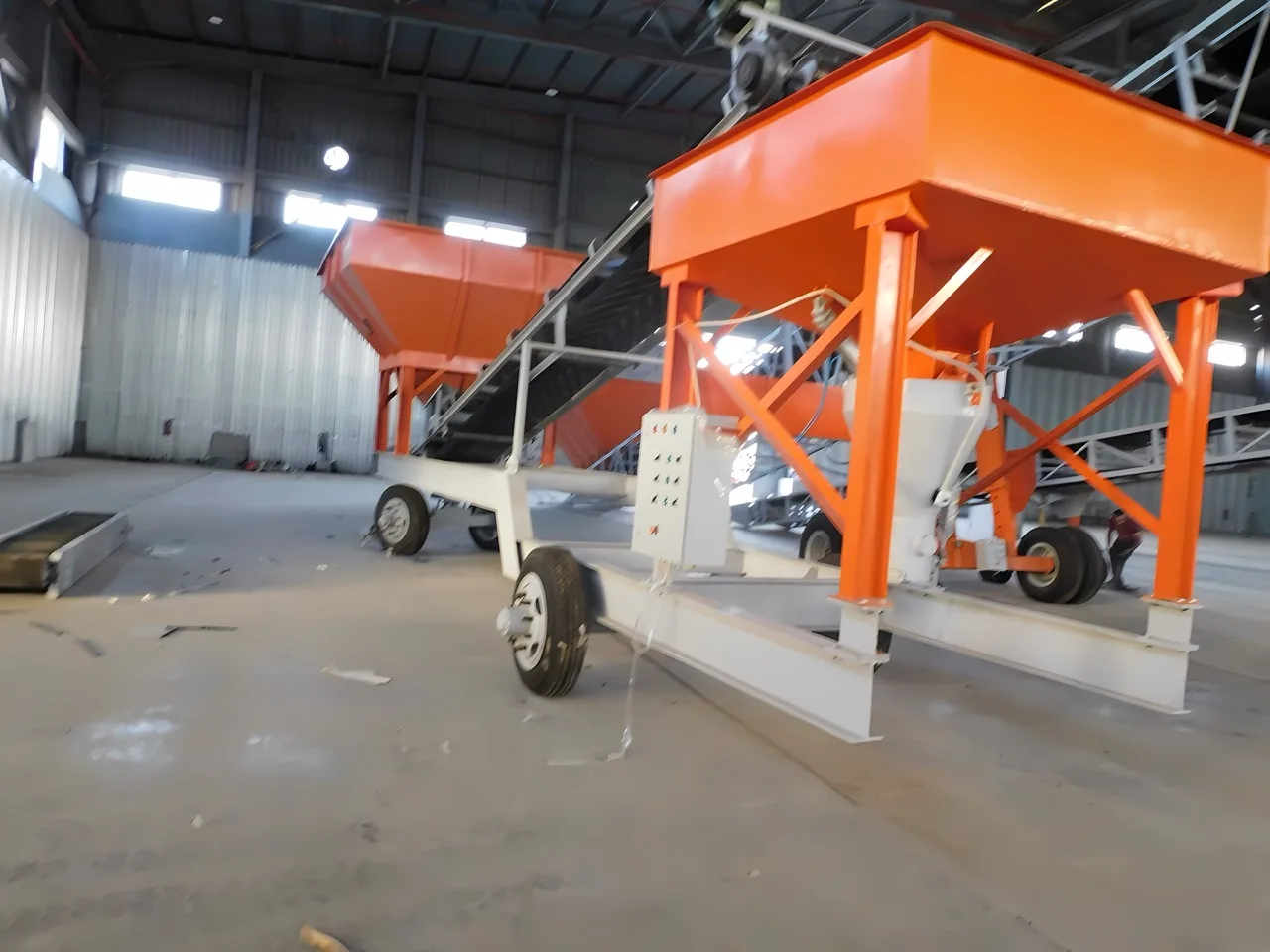
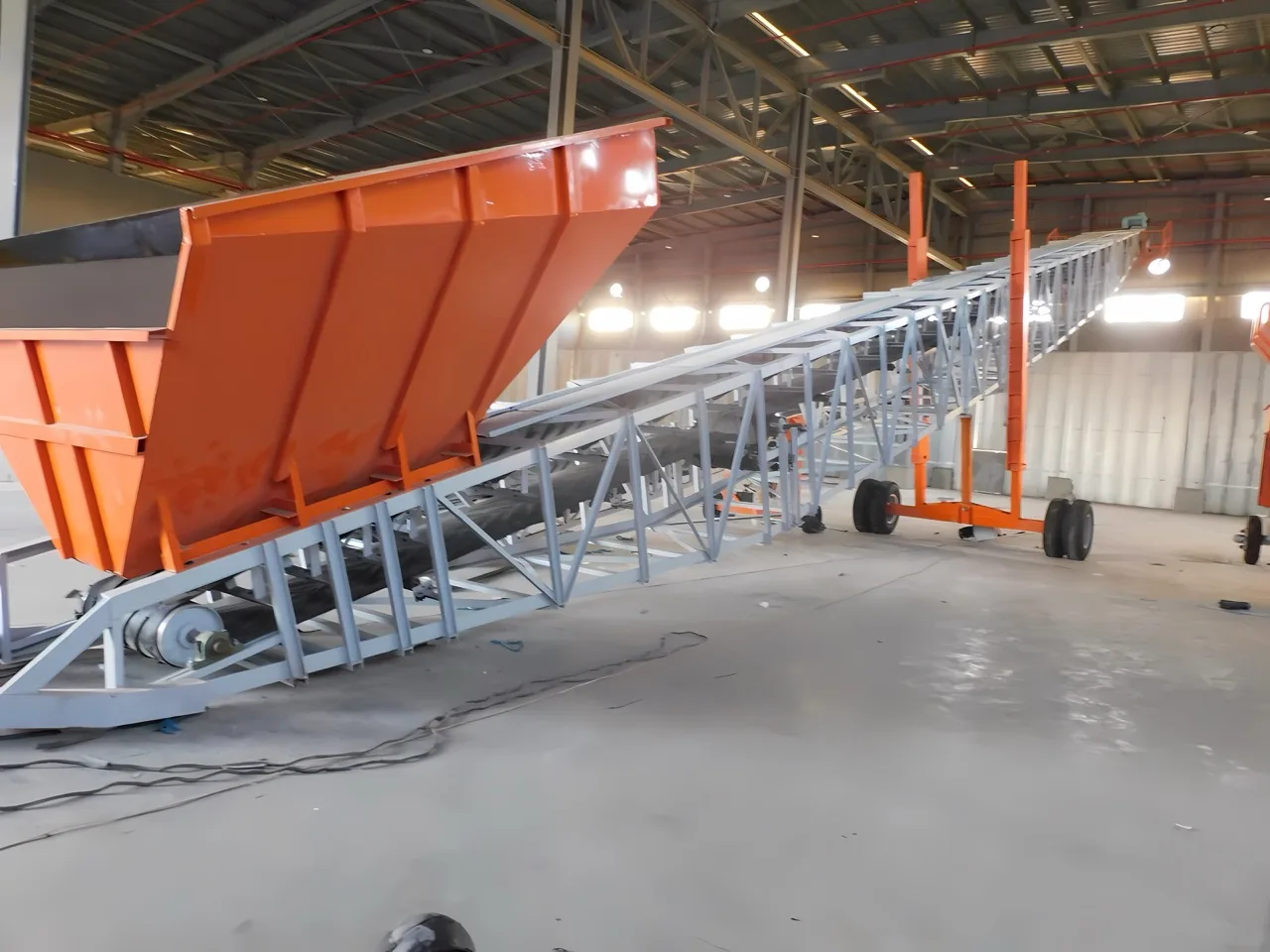
We have installed phosphate screening and crushing circuits in Sinai, including BARMAC-class VSIs specifically for liberation. We do not sell flotation cells, but we partner with downstream specialists for full turnkey delivery — and we own the front-end (crushing, screening, conveying, dust suppression) where most projects bottleneck.
Ready to Move Forward?
Pillar's engineering team has delivered turnkey crushing, screening, conveyor and asphalt solutions across Egypt — from Upper Egypt cement plants to Sinai phosphate operations. If you're sizing equipment for a new project, evaluating ROI, or upgrading existing capacity, we can help you spec the right system the first time.
Request a Quote → or call +20 107 067 0649.