From Quarry to Highway: The Complete Aggregate Production Workflow
Every road project starts at a rock face and ends at a paved surface. Here is the complete equipment chain — including the steps where most contractors over- or under-spec, and what it costs them.
The Workflow That Builds a Highway
From the moment a drill bit hits a quarry face to the moment a paver lays the final wearing course, aggregate passes through nine major equipment stations. Each one has design choices that compound — get the first three wrong and the last six fight you forever.
1. Drilling and Blasting
The starting tonnage and feed size of your entire plant is decided here. Drill hole pattern (burden × spacing), explosive distribution, and bench geometry determine the rock fragmentation curve that lands at the primary crusher. Bad blasting = oversize boulders that jam the jaw, plus excessive fines that bypass crushing and wear screens.
Pillar supplies industrial drilling machines for blast hole patterns up to 500 m depth, sized for the bench geometry of Egyptian limestone, basalt, and granite quarries.
2. Primary Crushing — Jaw
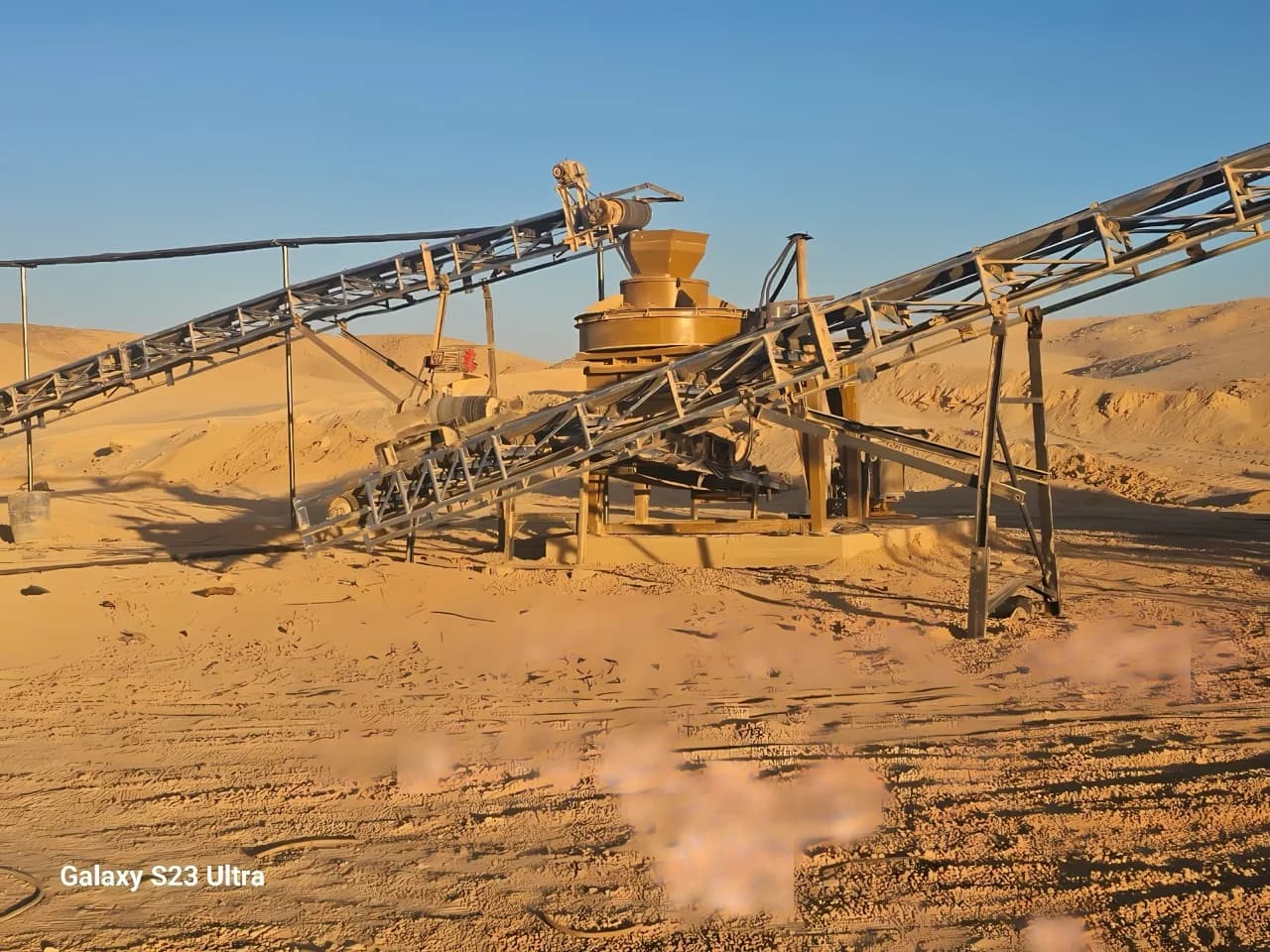
The primary jaw reduces blasted boulders down to 100–250 mm. The closed-side setting determines what feeds the secondary stage. Run too tight and you wear the jaw plates fast; too wide and you choke the secondary.
3. Secondary Crushing — Impact (or Cone)
For limestone and softer aggregate: impact crusher gives cubical product ideal for asphalt. For harder rock: cone for wear-cost reasons.
4. Screening (First Sizing)
A multi-deck vibrating screen separates output into the standard road-base sizes: 0–4 mm, 4–8 mm, 8–14 mm, 14–25 mm. Oversize returns to the secondary in a closed circuit.
5. Tertiary Crushing — Cone or VSI
If specifications demand fine cubical aggregate (asphalt wearing course, high-grade concrete), a cone or VSI further reduces and shapes. This step decides whether you can bid premium contracts.
6. Final Screening and Washing
Final-product screen separates marketable fractions. For specifications requiring clean aggregate (low fines, no surface dust), wet screening or attrition washing is added.
7. Stockpiling
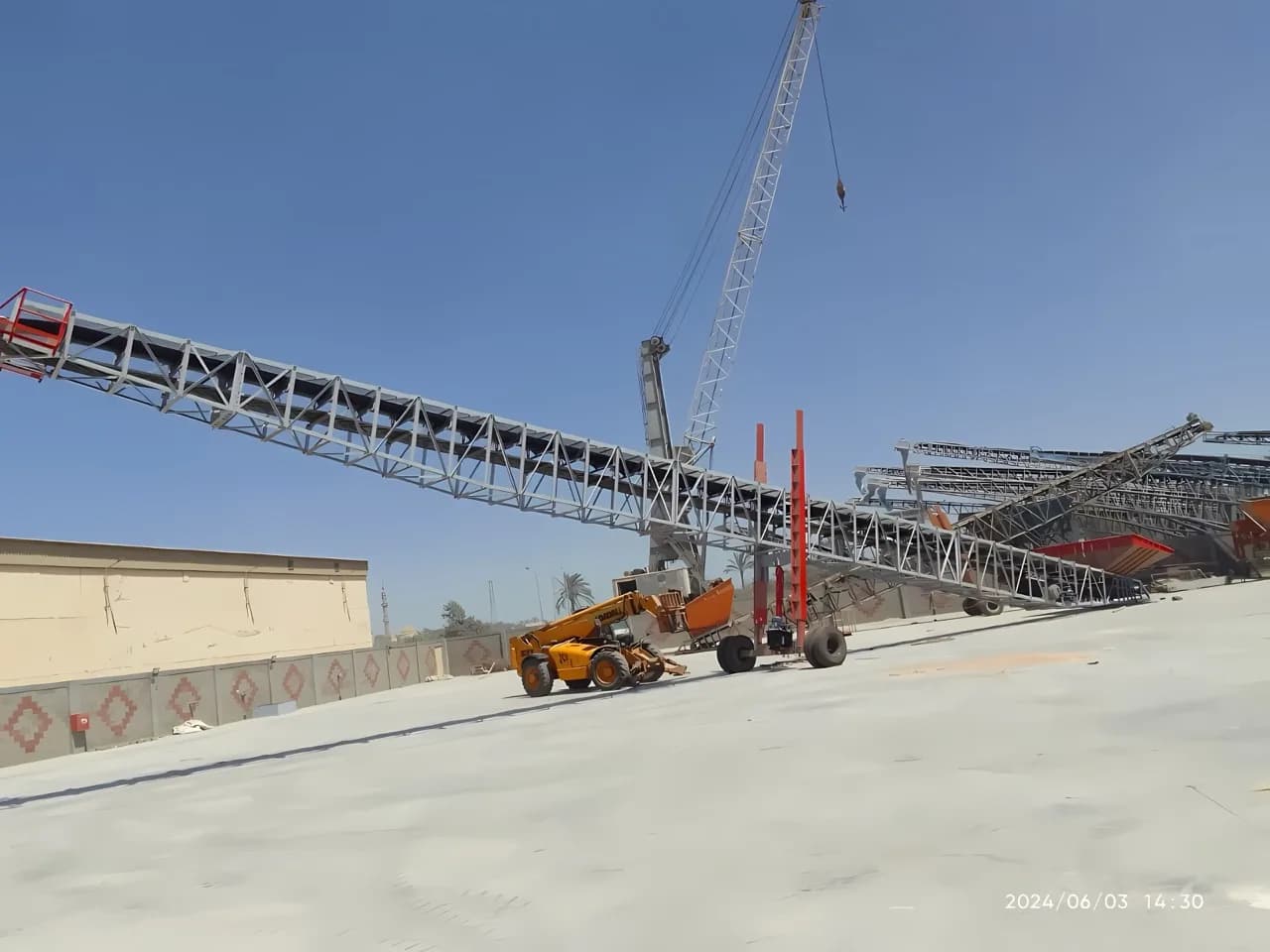
Each fraction is conveyed to a separate stockpile. Stockpile management is underrated — segregation during stockpiling and reclamation can shift gradation by 5–10%, breaking your asphalt mix design.
8. Aggregate Reclaim and Asphalt Plant Feed
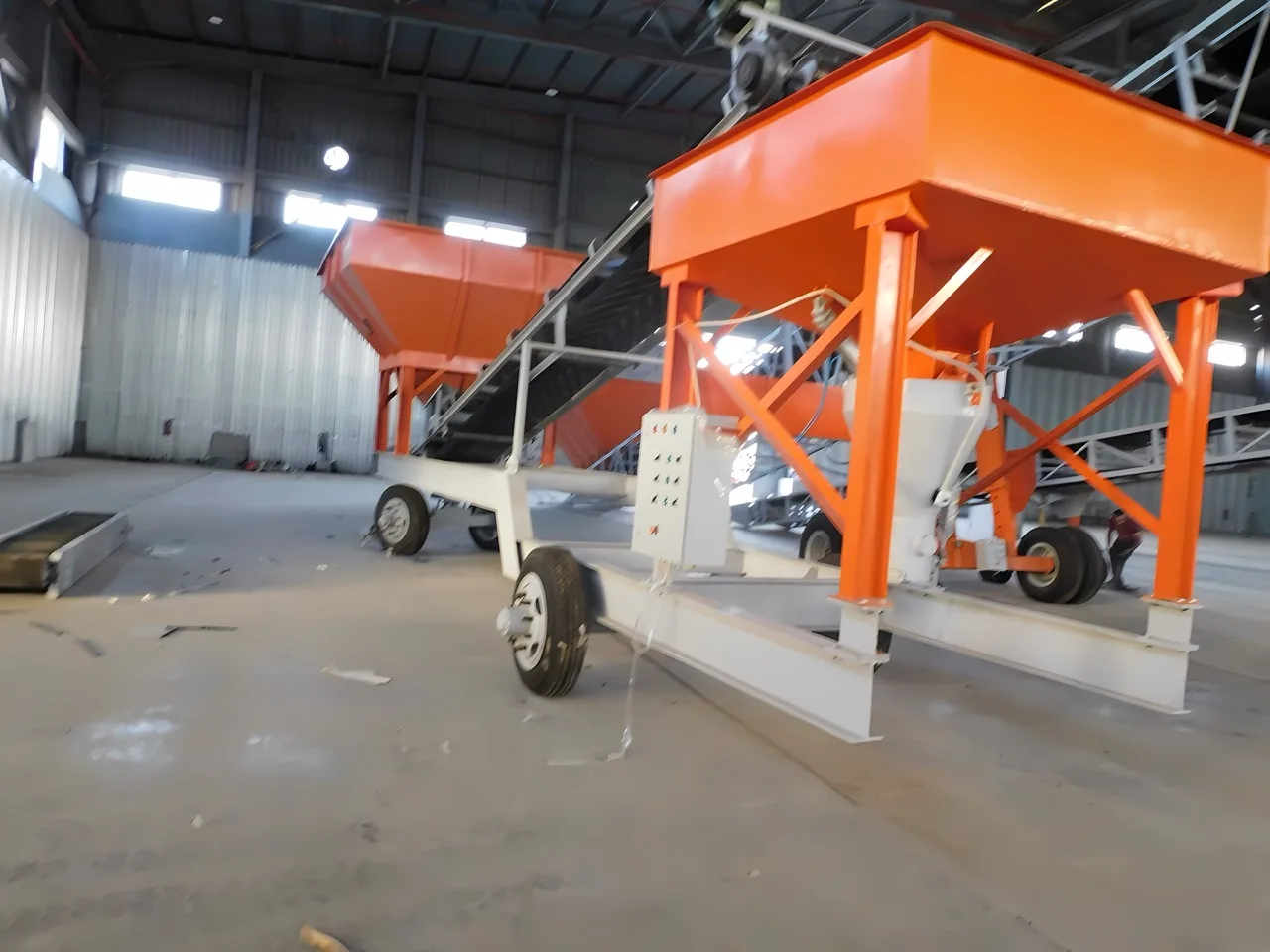
Front-end loaders or reclaim conveyors feed the cold-feed bins of the asphalt plant. Bin allocation, weigh-feeder calibration, and surge bin sizing decide the consistency of your final mix.
9. Asphalt Production and Paving
Drying drum, mineral filler, bitumen blending, mixing, and discharge to truck. Pillar's Egyptian asphalt plant guide covers the buying decisions for this stage.
The Three Workflow Mistakes That Kill Projects
- Insufficient stockpile capacity between crusher and asphalt plant — the asphalt plant runs the crusher, not the other way around. Plan for 3–5 days of paving consumption.
- No closed-circuit screen at secondary — without it, oversize escapes downstream and you re-handle material at higher cost.
- Single-source aggregate — if your quarry's gradation drifts and you have no second source, your asphalt plant's mix design fails on a state lab test and you eat penalties.
How Pillar Supports Road Contractors
We have delivered complete aggregate-to-asphalt workflows for road contractors across Egypt — including the New Administrative Capital project — covering drilling, crushing, screening, conveying, and asphalt plants. We design the chain as a system, not as nine independent purchases. That is why our projects do not bottleneck.
Ready to Move Forward?
Pillar's engineering team has delivered turnkey crushing, screening, conveyor and asphalt solutions across Egypt — from Upper Egypt cement plants to Sinai phosphate operations. If you're sizing equipment for a new project, evaluating ROI, or upgrading existing capacity, we can help you spec the right system the first time.
Request a Quote → or call +20 107 067 0649.